Top Mistakes Students Make in PU College (And How to Avoid Them)
Location New Jajee Block Call Us +91 9481717459 Email infogpu@gurukul.edu.in Home Landing Page Courses Commerce Science About faculty Media...

New Jajee Block
+91 9481717459
infogpu@gurukul.edu.in

The Pre-University (PU) years are often described as the “gateway” to a career, but for many, it feels more like a gauntlet. While academic rigor is expected, the rising toll on mental health cannot be ignored. Understanding why students experience anxiety and depression during this pivotal time is the first step toward building a healthier, more resilient student body.
At Gurukul PU College, we believe that academic excellence is impossible without emotional well-being. Discover our holistic approach to student life and how we support our students beyond the classroom.
The Root Causes: Why the Pressure Peaks
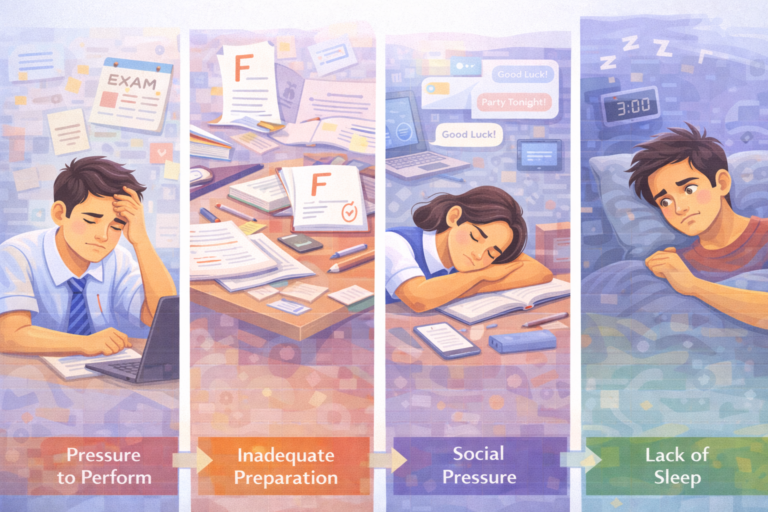
The transition into the PU level brings a unique set of stressors that can overwhelm even the most diligent students.
1. The High Stakes of Competitive Entry
In India, PU results are the primary filter for prestigious professional courses. The relentless focus on securing a seat through exams like NEET or JEE creates an “all-or-nothing” mentality. For a deep dive into managing these specific pressures, the National Institute of Mental Health (NIMH) offers excellent resources on identifying clinical signs of distress in young adults.
2. The Weight of Expectations
Whether it is self-imposed or comes from family, the fear of failure is a leading cause of student burnout. Students often feel their entire self-worth is tied to a percentage. This is why we encourage students to read our guide on how to prepare for a successful PU college year using balanced study techniques.
3. Biological and Physical Neglect
When students cut back on sleep to “cram,” they disrupt their brain chemistry. Sleep deprivation is a direct trigger for anxiety and mood swings. According to the Sleep Foundation, teenagers need consistent rest to process complex information—a luxury many PU students feel they can’t afford.
Identifying the Red Flags
It is crucial for parents and educators to recognize when “exam stress” has crossed the line into something more serious. Common signs of why students experience anxiety and depression manifesting physically include:
Social Withdrawal: Avoiding friends and family.
Irritability: Sudden outbursts or extreme sensitivity to criticism.
Physical Pain: Unexplained headaches or digestive issues.
If you are a student feeling overwhelmed, don’t wait until you reach a breaking point. Contact the Gurukul team for guidance or talk to a counselor immediately.
Building a Support System
Overcoming these challenges requires a collaborative effort between the institution and the home.
For Parents: Shift the conversation from “How much did you score?” to “How are you feeling today?” Organizations like YoungMinds provide incredible toolkits for parents to help their children navigate exam-related stress.
For Students: Practice active learning rather than rote memorization. Understanding the “why” behind your subjects can reduce the feeling of being overwhelmed. For more tips on effective learning, check out our blog on the benefits of interactive education.
Conclusion
Exams are a milestone, not a destination. While the PU years are challenging, they are also an opportunity to develop emotional intelligence and coping strategies that will last a lifetime. At Gurukul PU College, your mental health is our priority.
Why Students Experience Anxiety and Depression during PU exams is often linked to intense academic pressure, competitive entrance exams like NEET and JEE, parental expectations, and fear of failure. The belief that one exam defines the future creates overwhelming stress, which can gradually develop into anxiety or depression if not addressed properly.
Mild stress before exams is normal and can even improve performance. However, when stress leads to constant worry, sleeplessness, loss of interest, mood swings, or physical symptoms like headaches and stomach pain, it may indicate anxiety or depression that requires attention.
Competitive exams increase performance pressure because they are seen as gateways to professional courses. This “all-or-nothing” mindset is one of the main reasons why students experience anxiety and depression, especially when students tie their self-worth to ranks and percentages.
Yes. Sleep deprivation affects brain chemistry and emotional regulation. When students sacrifice sleep for long study hours, it increases irritability, reduces concentration, and can directly trigger anxiety symptoms and mood disorders.
Location New Jajee Block Call Us +91 9481717459 Email infogpu@gurukul.edu.in Home Landing Page Courses Commerce Science About faculty Media...